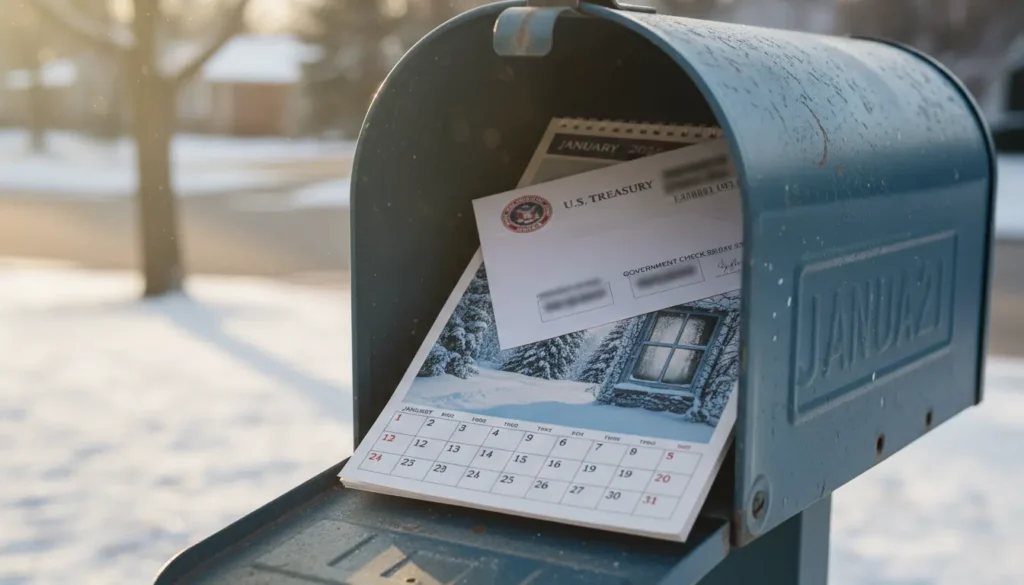
This guide explains the Federal $2,000 payments arriving January 2026, who may qualify, when payments will hit accounts or mailboxes, and what beneficiaries should do if a payment is missing. Read the timeline and practical steps to prepare and verify your payment.
Overview of Federal $2,000 Payments Arriving January 2026
The federal government has scheduled one-time $2,000 payments to certain eligible individuals in January 2026. These payments are intended as direct relief for qualifying taxpayers and beneficiaries. This article covers how the program works, requirements, and clear next steps.
Who qualifies for Federal $2,000 Payments arriving January 2026
Understanding eligibility is the first step. Qualification depends on income, filing status, benefit enrollment, and previous tax records. Not everyone will automatically receive the payment.
Income and filing status
- Single filers: Income limits will be set by the administering agency. Check the official notice for exact thresholds.
- Married filing jointly: Combined income limits may apply, potentially higher than single thresholds.
- Head of household and qualifying widower: Special thresholds may be specified for these statuses.
If your adjusted gross income was below the published threshold for the program year, you are more likely to qualify. The agency will use the most recent tax or benefit records they have on file.
Other eligibility criteria
- Citizenship or residency: Typically U.S. citizens, nationals, or resident aliens may qualify.
- Benefit recipients: Some benefit programs (Social Security, SSI, VA) may trigger automatic payments for enrolled beneficiaries.
- Non-filers: Individuals who do not file taxes but receive federal benefits may still be eligible through agency records or registration portals.
Complete timeline for Federal $2,000 Payments arriving January 2026
Timelines can differ by agency and delivery method. Below is a practical timeline to expect and actions to take.
- Late December 2025: Final eligibility lists are compiled and payments are authorized for distribution.
- Early January 2026: Electronic direct deposits begin to arrive for people with direct deposit information on file.
- Mid January 2026: Paper checks and prepaid debit cards are mailed for recipients without direct deposit records.
- Late January 2026: Most domestic payments should be delivered or posted. Overseas deliveries may take longer.
Key dates to watch
Check official agency communications and your account statements. Agencies will often send emails, mailed notices, or updates on a dedicated web page with exact dates and batch numbers.
How beneficiaries receive the $2,000 payment
Payments are typically sent by one of three methods. Knowing your delivery method helps you know where to look and what to do if a payment is late.
Direct deposit
- Fastest method; payments post directly to your bank or debit account.
- If you’ve received prior federal deposits to the same account, this is likely the method used.
Paper check
- Mailed to the last address on file with the agency handling the payments.
- Allow additional mail time, especially in rural areas.
Prepaid debit card
- Some agencies use reloadable or single-use government debit cards for speed and security.
- These arrive in plain envelopes; follow the activation instructions included.
What to do if you do not receive your payment
If a payment is missing after the expected delivery window, follow these practical steps.
- Confirm eligibility: Re-check your tax return or benefit status for the year used to determine eligibility.
- Check payment method: Log in to your benefit account or IRS/agency portal to confirm deposit details or mailing address.
- Contact the administering agency: Use the official helpline or secure message portal listed on the agency website.
- Document communications: Save dates and reference numbers for any calls or emails.
Agencies often use your most recent tax return or benefits record to determine payment method and amount. Updating your direct deposit with the agency before the distribution window can speed delivery.
Case study: Real-world example
Maria is a retired teacher who receives Social Security. Her direct deposit information was already on file with Social Security, so she received the $2,000 payment by direct deposit on January 12, 2026. The funds cleared her bank the same day and she received a mailed notice explaining the payment source and providing a helpline number.
Because Maria kept her address and deposit details current, she avoided delays and did not need to contact the agency. This small update saved time and ensured a faster receipt of the payment.
Practical checklist for beneficiaries
Use this short checklist to prepare and verify your payment quickly.
- Verify your mailing address and direct deposit information with the relevant federal agency.
- Keep recent tax returns and benefit letters accessible for verification.
- Monitor bank accounts and mail from January 1–31, 2026.
- Be cautious of scams: agencies will not ask for PINs or full social security numbers by phone or email.
- Contact the official agency helpline only if your payment is not received within the expected window.
Final notes on the Federal $2,000 Payments arriving January 2026
This program follows strict eligibility and distribution rules. Confirm details on the official agency website and watch for direct communications. If you have questions, use agency portals and phone numbers listed on official pages to avoid misinformation or scams.
Following the timeline and checklist above will help you confirm eligibility, receive your payment promptly, and know what to do if a payment is missing.