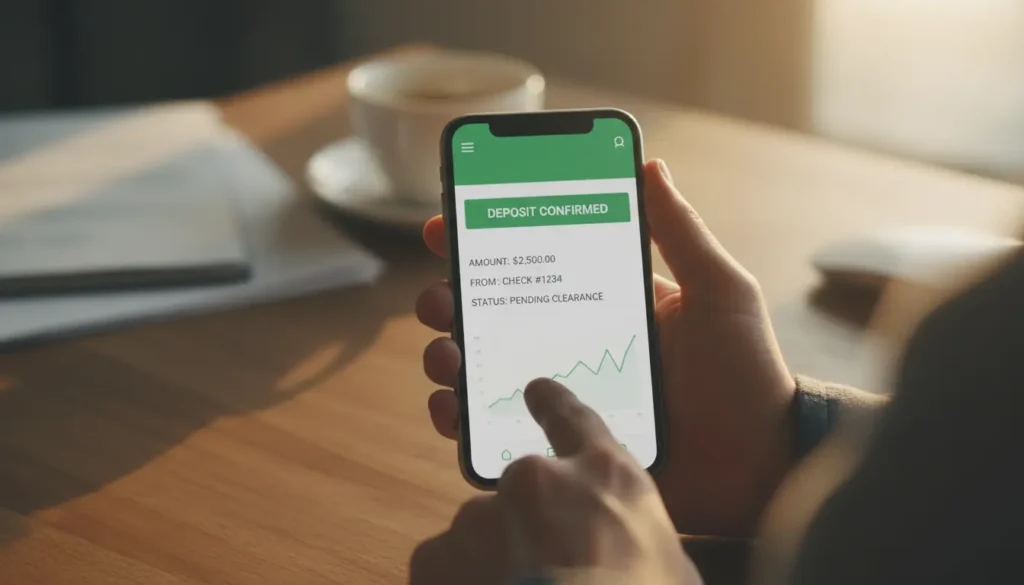
The IRS has announced one-time $2,000 direct deposit payments scheduled to begin in January 2026 for eligible individuals. This guide explains who may qualify, the expected timing, and how to claim or track a payment you believe you should receive.
IRS $2,000 Direct Deposit Payments: Key dates in January 2026
The IRS will begin issuing direct deposit payments in January 2026. Payments are typically released in batches, starting with recipients who have direct deposit information already on file.
Expect the following timing pattern:
- Early January 2026: IRS posts full payment schedule and FAQs on IRS.gov.
- Mid to late January 2026: Most direct deposits are expected to arrive for accounts on record.
- Late January into February 2026: Paper checks and debit cards mailed to addresses on file for recipients without direct deposit.
Keep in mind the IRS usually staggers deposit dates by processing group and payment method, so not every eligible person will see the deposit on the same day.
Eligibility for IRS $2,000 Direct Deposit Payments
Eligibility is determined by IRS records using the most recent information on file, such as the latest tax return or Social Security Administration records.
Who qualifies
General categories that typically determine eligibility include:
- Taxpayers who filed a recent federal tax return with qualifying adjusted gross income (AGI) within IRS limits.
- Social Security beneficiaries, Railroad Retirement recipients, and other federal benefit recipients when records match eligibility rules.
- Some non-filers who register with the IRS using an official non-filer or payment registration tool (if the IRS opens one for this payment).
Documents and information the IRS uses
The IRS will rely on the most recently processed tax return, SSA records, and payment preference data. The agency may use direct deposit banking details already on file to deliver the payment quickly.
If your banking or address information has changed and is not on file, the IRS may send a paper check or prepaid card instead.
How to claim the IRS $2,000 Direct Deposit Payments
If you believe you are eligible but have not received a payment, follow these steps to claim or check status.
Step-by-step claim process
- Check IRS.gov for the official announcement and tools. The IRS provides a central FAQ and payment schedule for new programs.
- Use the IRS “Get My Payment” or equivalent tool once it is activated to see if the payment is scheduled and which method (direct deposit, check, or card) will be used.
- Verify your banking information with your most recent tax return or with the IRS non-filer registration if the IRS opens one.
- If you did not file a recent tax return and the IRS requires registration, follow the official non-filer instructions on IRS.gov to register before the announced deadline.
- If a payment is missing after the posted distribution window, prepare documentation (tax returns, Social Security statements, ID) and follow IRS instructions for a claim or correction.
Always pursue claims only through IRS.gov or by calling published IRS phone numbers. Beware of scams that ask for payment info via email, text, or social media.
What to do if you do not receive the $2,000 direct deposit
Missing a payment can be resolved in several ways depending on your situation. Start by confirming your eligibility and the IRS payment schedule.
Tracking and next steps
- Check the IRS online status tool for an updated payment timeline.
- Confirm that your most recent tax return or benefit records are up to date with correct bank and address information.
- If the IRS sent a paper check or card, allow several additional mail days; the notice will indicate the method used.
- If the payment still does not arrive, follow the IRS guidance to submit a claim or contact the IRS through official channels.
Filing a tax return or amended return may be necessary in some cases to claim a missed payment or credit, depending on the program rules the IRS publishes.
Common questions and practical tips
- How will I know if the payment was deposited? Check your bank statement and the IRS online tool for deposit confirmation.
- Can I update my bank info after the payment is issued? Typically no—updates must be on file before the payment run. Contact the IRS for exceptions.
- Are these payments taxable? The IRS will state whether the payment is taxable or a tax credit; follow the agency guidance when filing tax returns.
The IRS has used direct deposit to deliver emergency and incentive payments quickly in past programs. Direct deposit is usually the fastest method for receiving federal payments.
Real-world example
Case study: Maria, a teacher who files taxes jointly with her spouse, had direct deposit on file from last year. She checked the IRS payment tool on January 18 and saw a scheduled deposit for January 21. Her bank posted the $2,000 on January 21 and she received an email from her bank. Maria confirmed her eligibility beforehand by reviewing the IRS FAQ and verifying her 2024 tax filing information.
This example shows the practical steps: verify IRS guidance, confirm deposit details, and check your bank around the scheduled date.
Final checklist before January 2026
- Bookmark the IRS announcement page and check it frequently for updates.
- Confirm your most recent tax filing records and direct deposit details are accurate.
- Use the IRS tools only on IRS.gov and avoid third-party services that request sensitive information.
- Prepare to document any missed payment with tax records or benefit statements.
If you have doubts about your eligibility or status, contact the IRS through official channels and follow the published instructions. Keep copies of tax documents and correspondence until the payment process is complete.