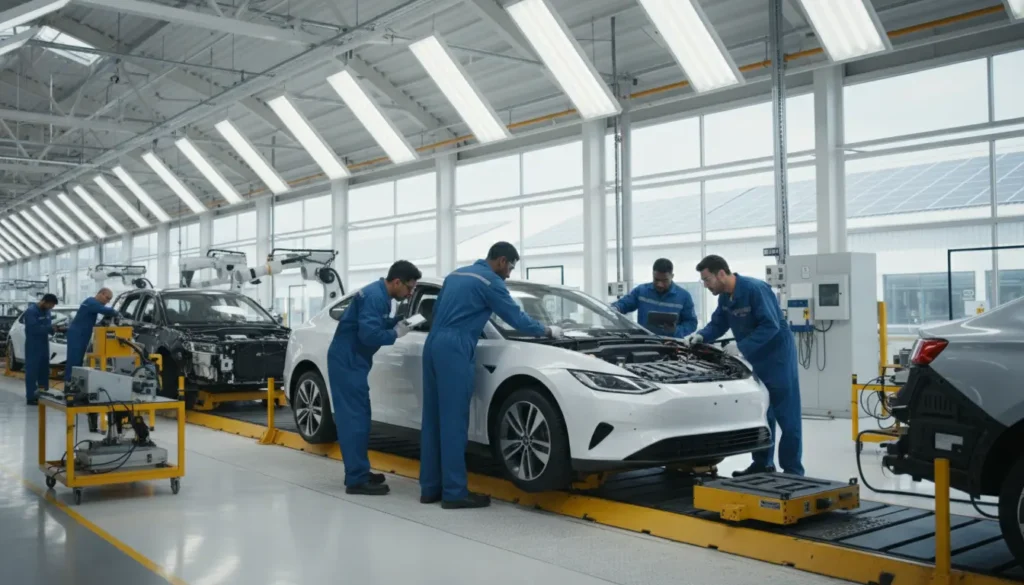
Overview of the IRS guidance on American-made vehicle tax break
The IRS recently published guidance clarifying how the American-made criteria affect eligibility for vehicle tax breaks. The rules focus on where a vehicle is assembled and where key battery materials and components come from.
This article explains the practical steps buyers and dealers should take, the documents to verify, and how the new guidance may change eligibility.
What the IRS rules mean for American-made vehicle tax break eligibility
The updated rules narrow and clarify the tests the IRS uses to determine if a vehicle counts as American-made for the tax break. That means buyers must look for confirmed manufacturer certifications and supporting documentation at the time of purchase.
The IRS guidance is designed to reduce confusion about assembly location, battery sourcing, and certification responsibilities for manufacturers and dealers.
Final assembly in North America
One key element is where final assembly occurs. The IRS guidance links American-made eligibility to final assembly in eligible countries. Buyers should confirm the vehicle’s final assembly location before assuming eligibility.
Ask the dealer or check the manufacturer website for the vehicle’s final assembly country and the manufacturer’s certification statement.
Battery component and critical mineral requirements
The IRS guidance reaffirms that portions of the tax break depend on where battery components and critical minerals are sourced and processed. These sourcing rules affect how much of the maximum credit a buyer may receive.
Manufacturers are required to provide specific certifications about battery sourcing that buyers and dealers must retain as part of the purchase record.
Manufacturer certification and dealer documentation
Under the new guidance, manufacturers must certify whether a vehicle meets the American-made tests. Dealers should include that certification on the invoice or in the buyer’s paperwork.
Buyers should insist on a printed certification or a clear invoice line showing the manufacturer’s eligibility statement before completing the sale.
Practical checklist: What to verify when buying a qualifying vehicle
- Confirm the vehicle’s final assembly location (North America or other eligible country).
- Request the manufacturer’s written certification on American-made eligibility.
- Ask for documentation on battery component and critical mineral sourcing when applicable.
- Keep the sales contract, invoice, and any manufacturer statements for your tax records.
- Consult the current IRS vehicle eligibility list before filing a claim.
How to claim the American-made vehicle tax break
Claiming the credit generally requires reporting on your federal tax return and attaching the required forms. The IRS guidance clarifies the documents and statements you should hold to support the claim.
If the dealer applies the benefit at the point of sale (where available), you should still get written confirmation of the credit amount and the manufacturer’s certification for your records.
Filing tips
- Keep the vehicle invoice and manufacturer certification handy when completing your tax return.
- If you are unsure which forms to use, consult a tax professional or IRS resources to avoid errors that could delay the credit.
- Retain all records for several years in case of IRS verification.
Did You Know?
The size of an electric vehicle tax credit can depend partly on where critical minerals and battery components are sourced and processed—not just where the car is assembled.
Real-world example: How the new rules affect a buyer
Case study: Maria, a homeowner in Ohio, was choosing between two electric SUVs. Both vehicles were assembled in North America, but only one had a manufacturer certification showing that key battery components were sourced and processed in qualifying locations.
Maria asked the dealer for written certification and compared invoices. The certified vehicle allowed her to claim the full credit available under current IRS guidance. She kept the invoice and manufacturer statement with her tax records.
Common questions buyers and dealers have
- Who provides the certification? Manufacturers must issue certification statements; dealers should include them in the sales paperwork.
- When should buyers ask for documents? Ask before signing any purchase agreement and before accepting delivery.
- What if the dealer refuses to provide certification? Walk away or insist the manufacturer provide written documentation—without the certification you risk losing the credit.
Steps to protect your tax break claim
Before purchase, request the manufacturer’s certification and verify assembly and battery sourcing statements. Keep all paperwork and confirm eligibility on the IRS vehicle list before claiming the credit.
If you are ever unsure about qualification, check IRS.gov for the official guidance or consult a tax professional to avoid surprises when you file.
Bottom line
The IRS’s new guidance makes eligibility for the American-made vehicle tax break clearer by specifying assembly, sourcing, and certification requirements. Buyers who request and retain proper documentation increase their chances of successfully claiming the credit.
Always keep a copy of certification and invoices, verify eligibility with the manufacturer and the IRS, and consult a tax professional if you have complex questions about your situation.