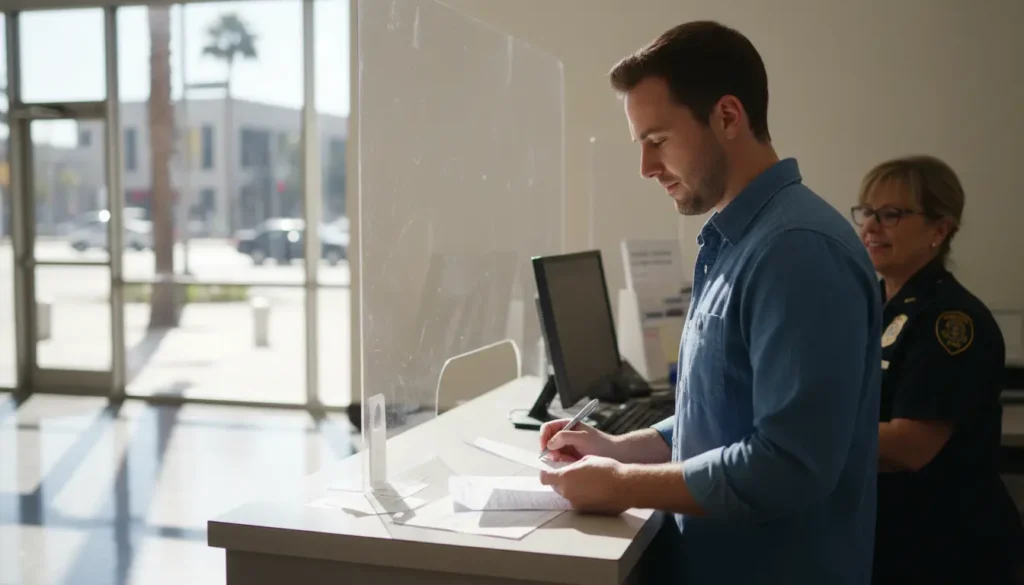
Overview of the New January Driving Law
Starting this January, a federal guidance update combined with state-level adoption has set a uniform requirement affecting drivers in all 50 states. The change targets specific driving behaviors and documentation standards that states must enforce.
This article explains the law, outlines the penalties including fines up to $1,500 or possible jail time, and gives clear steps to avoid violations.
What the New January Driving Law Requires
The new January driving law focuses on improved documentation and certain safety practices while driving. Key requirements include carrying valid identification and up-to-date registration, using hands-free devices where mandated, and following updated rules for lane use and distracted driving in some jurisdictions.
States must adopt minimum enforcement standards, so expect similar requirements whether you drive in your home state or while traveling.
Documentation and identification
Drivers must carry a valid driver’s license and proof of current vehicle registration. Some states now require digital or printed evidence of compliance with recent emission or safety inspection mandates.
Distracted and hands-free rules
Several elements of the law expand hands-free device use while driving. Where hands-free is required, holding a phone or similar device while operating a vehicle can lead to citations.
Penalties: Avoid $1,500 Fines or Jail
Penalties vary by state, but the law allows for fines that in aggregate can reach up to $1,500 for repeat or severe violations. In limited cases—such as driving without required documentation after warnings, or causing harm while violating hands-free rules—states can seek jail time.
Typical enforcement follows a progressive path: warnings, fines, higher fines for repeats, and misdemeanor charges only in serious or repeated noncompliance.
Common penalty scenarios
- First offense for missing documentation: warning or small fine.
- Repeated missing documentation or falsified records: higher fines up to $500–$1,000.
- Distracted driving causing an accident while violating the law: fines up to $1,500 plus potential jail in some states.
Who Is Affected by the New January Driving Law
All licensed drivers are affected, including commuters, commercial drivers, rideshare operators, and out-of-state visitors. Commercial drivers should pay special attention to any carrier-specific documentation requirements.
Parents and teen drivers are also impacted because states tightened rules for provisional licenses in connection with distracted driving and mandatory education units.
State variation and travel
Although adoption is nationwide, individual states may add enforcement details. When traveling across state lines, follow the strictest applicable rule to avoid citations.
How to Stay Compliant: Practical Steps
Follow these practical steps to avoid fines or jail related to the new law. These are easy to implement and work nationwide.
- Carry valid ID and current proof of registration at all times.
- Use a hands-free device or vehicle-integrated system if you must use a phone while driving.
- Complete any required inspections and keep records accessible, either printed or digital where accepted.
- Review your state DMV website for any new forms, stickers, or certificates required under the updated rules.
- Teach teen drivers the new rules and monitor compliance until they build safe habits.
Checklist Before You Drive
Use this short checklist to prepare yourself each trip. A quick habit can prevent large fines and legal trouble.
- Valid driver’s license in wallet or digital equivalent.
- Current vehicle registration and proof of inspection if required.
- Phone set to hands-free mode or physically stored away.
- Insurance card or digital proof of coverage.
- Emergency contact and basic vehicle safety kit.
Some states will accept a stamped email or government app screenshot as valid proof of inspection or registration. Check your state DMV app before assuming paperwork is required in print.
Real-World Example: How One Driver Avoided a Big Fine
Case study: A rideshare driver traveling from Michigan to Wisconsin noticed a new sticker requirement for emissions inspection in Wisconsin. They checked the Wisconsin DMV site, downloaded the digital clearance accepted by the state, and stored it on their phone.
During a roadside check, the driver showed the digital proof and received only a reminder instead of a citation. Proactive verification saved them time and the potential for a large fine.
What To Do If You Get a Ticket
If you receive a citation, read it carefully to understand the specific violation and deadlines. Most tickets include an option to pay, contest, or request more information.
Consider these actions: gather documentation proving compliance, contact your state DMV, or consult a traffic attorney if the fine is large or jail is possible.
When to contest
- Evidence shows you were compliant at the time of the stop.
- The citation contains factual errors or unclear legal basis.
- There are strong mitigating circumstances such as emergency needs.
Final Notes on the New January Driving Law
Adopt a short routine: check your documents, set your phone to hands-free, and verify inspection or registration requirements before travel. These small steps minimize risk and help you avoid fines up to $1,500 or worse legal outcomes.
Stay informed through your state DMV website and keep digital copies of required documents where allowed. That preparation will protect you and your passengers this year and beyond.