U.S. Driving License Changes 2026: What You Need to Know
On January 27, 2026, new rules affecting U.S. driving licenses come into effect. These changes will affect how many states issue, verify, and accept driver licenses and identification cards.
This article explains practical steps you should take, common document requirements, and how to avoid long waits at the DMV.
New Rules Come Into Effect on January 27
Federal and state agencies are updating standards for identity verification, security features on physical cards, and digital ID acceptance. While exact implementation differs by state, the pattern is similar: stronger proof of identity, updated card technology, and clearer rules for travelers and commercial drivers.
Key changes drivers should expect
Not every state will change every rule the same way, but these are the most common updates to watch for.
- Stricter document verification when applying or renewing a license.
- New security features on physical cards (holograms, enhanced barcodes, tamper-resistant materials).
- Wider acceptance and optional issuance of digital driver licenses (mobile wallets).
- Updated REAL ID enforcement or guidance for air travel and federal facility access.
- Revised medical or certification requirements for commercial drivers (CDL holders).
How to prepare before January 27, 2026
Preparation reduces stress and keeps you compliant. Follow these practical steps before the new rules take effect.
- Check your state DMV website for specific rule changes and effective dates.
- Book DMV appointments early—many offices increase demand around deadlines.
- Gather original documents now rather than waiting until your renewal date.
Documents you will likely need
Most states will require clear, unexpired original documents. Make copies but bring originals for verification.
- Proof of identity: U.S. passport, birth certificate, or other government ID.
- Proof of Social Security Number: Social Security card or tax document with full SSN.
- Proof of residency: two different documents showing your address, like utility bills or lease agreements.
- Name change documents if your current name differs from the identity document.
Step-by-step: Renew or upgrade your license
Follow this checklist to avoid surprises at the DMV.
- Visit your state DMV website and read the new requirements section.
- Make an appointment online if available.
- Gather required original documents and bring photocopies for your records.
- Bring payment for fees (card or cash depending on location).
- Complete any forms in advance if downloadable from the DMV site.
Special considerations for REAL ID and travel
If you plan to fly domestically or enter federal facilities, check whether your current license meets REAL ID standards. Some states are changing local procedures to comply with federal directives.
If you do not have a REAL ID-compliant license, you may still be able to fly with a passport, passport card, or other acceptable federal ID.
Commercial drivers and medical certifications
CDL holders should confirm whether medical certificates, drug test records, or endorsements will be affected. Some changes may require updated medical exams or online renewals.
Common questions and practical answers
Here are quick answers to questions many drivers ask before a rule change takes effect.
- Will everyone need a new card? Not necessarily. Some people only need to show original documents at renewal, and the state will issue a replacement card only when required.
- How much will this cost? Fees vary by state and by type of transaction (renewal, replacement, upgrade). Check your DMV fee schedule.
- Can I update online? Many routine renewals remain online, but identity upgrades often require an in-person visit.
Simple examples and one short case study
Example: If your license expires soon, renew it early to avoid re-verification under the new rules. That can save time and reduce paperwork.
Case study — Maria’s DMV visit:
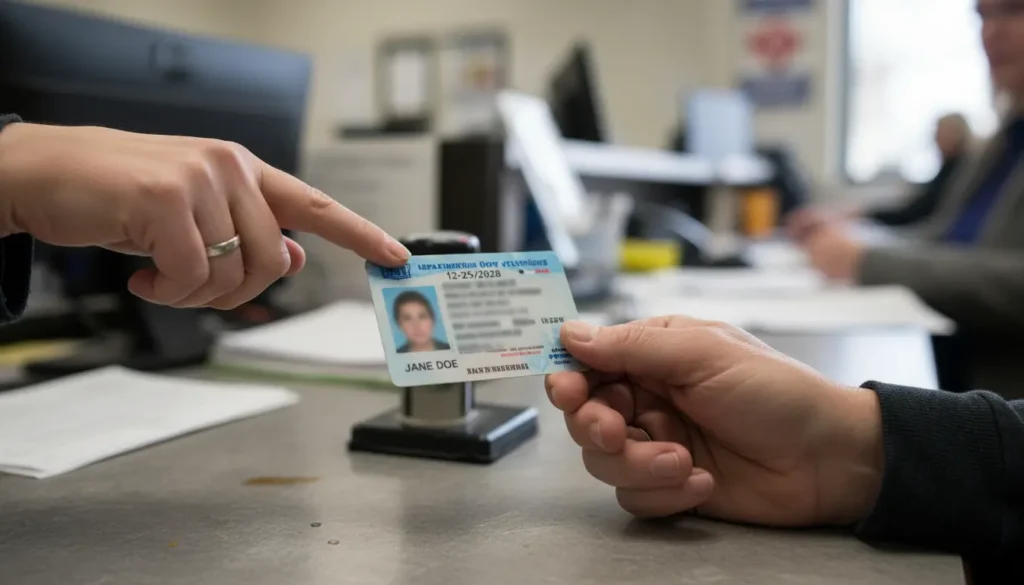
Maria’s license was set to expire in February 2026. She booked an appointment in December and brought her passport, Social Security card, and two utility bills. The DMV clerk verified her documents and issued an updated card that met the new security standards. Maria avoided a long line in January and had peace of mind for travel and work.
Final checklist before January 27
Use this compact checklist to make sure you’re ready.
- Confirm your state-specific rules and deadlines online.
- Book a DMV appointment if an in-person visit is required.
- Gather original proof of identity, SSN, and residency.
- Bring payment and arrive with time to spare.
- Consider renewing early if your license is due to expire soon.
These measures will help you comply with the U.S. driving license changes effective January 27, 2026, while minimizing delays and surprises. For exact procedures and any forms you must complete, always consult your state DMV website first.